Blog
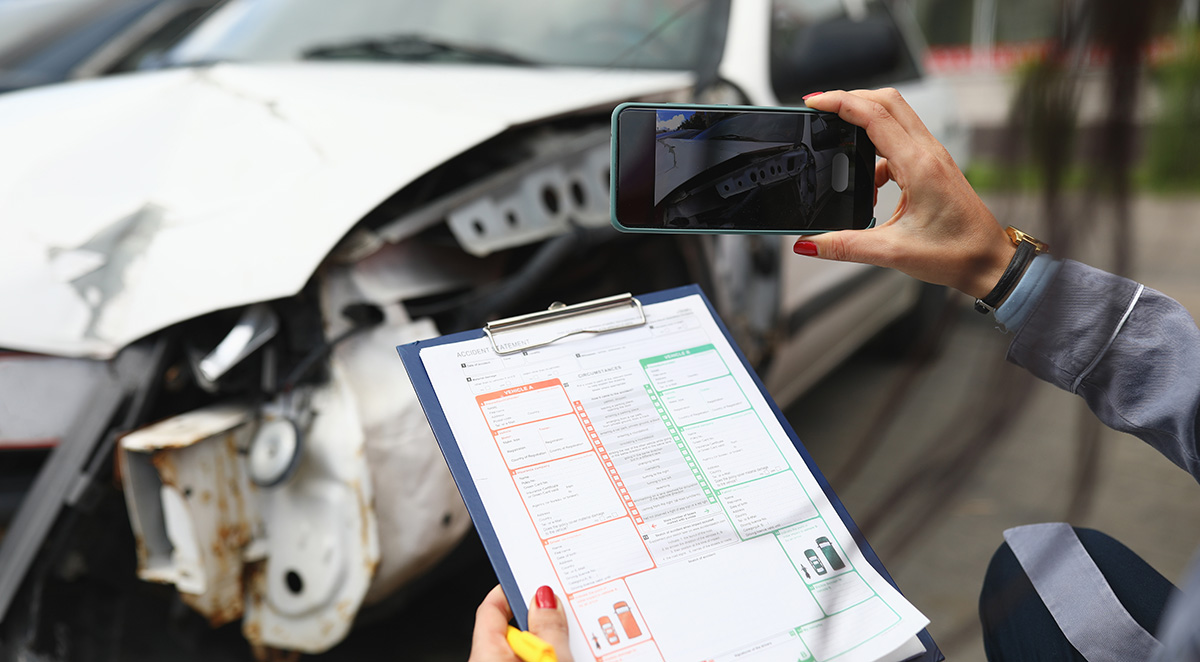
After a car accident in North Carolina, the paperwork can feel overwhelming at exactly the moment you have the least energy for it. Yet one document matters more than almost any other for both your recovery and your claim: the official crash report. Knowing how to find it, request it, and read it puts you in a far stronger position with insurance companies and, if it becomes necessary, in court.

Few things matter more to a parent than keeping their children safe on the road. North Carolina law sets clear requirements for how children must be secured in a vehicle, and understanding those rules helps you protect your kids and avoid a citation. The good news is that the law is not complicated once you know how it works.

North Carolina's manufacturing sector has deep roots. The state is home to furniture producers, textile mills, chemical plants, automotive suppliers, food processing facilities, and electronics manufacturers that collectively employ hundreds of thousands of workers. That heritage of hands-on, production-based work is also a heritage of physical risk. Factory floors, assembly lines, and industrial machinery create hazards that office environments never will, and when something goes wrong, the injuries are often serious.

If you receive Social Security Disability Insurance or Supplemental Security Income, your benefits automatically increased at the start of 2026. For many people living on a fixed disability income, that increase is more than just a number on a page. It determines whether the month's bills get paid, whether prescriptions stay affordable, and whether there is anything left over after basic necessities.
