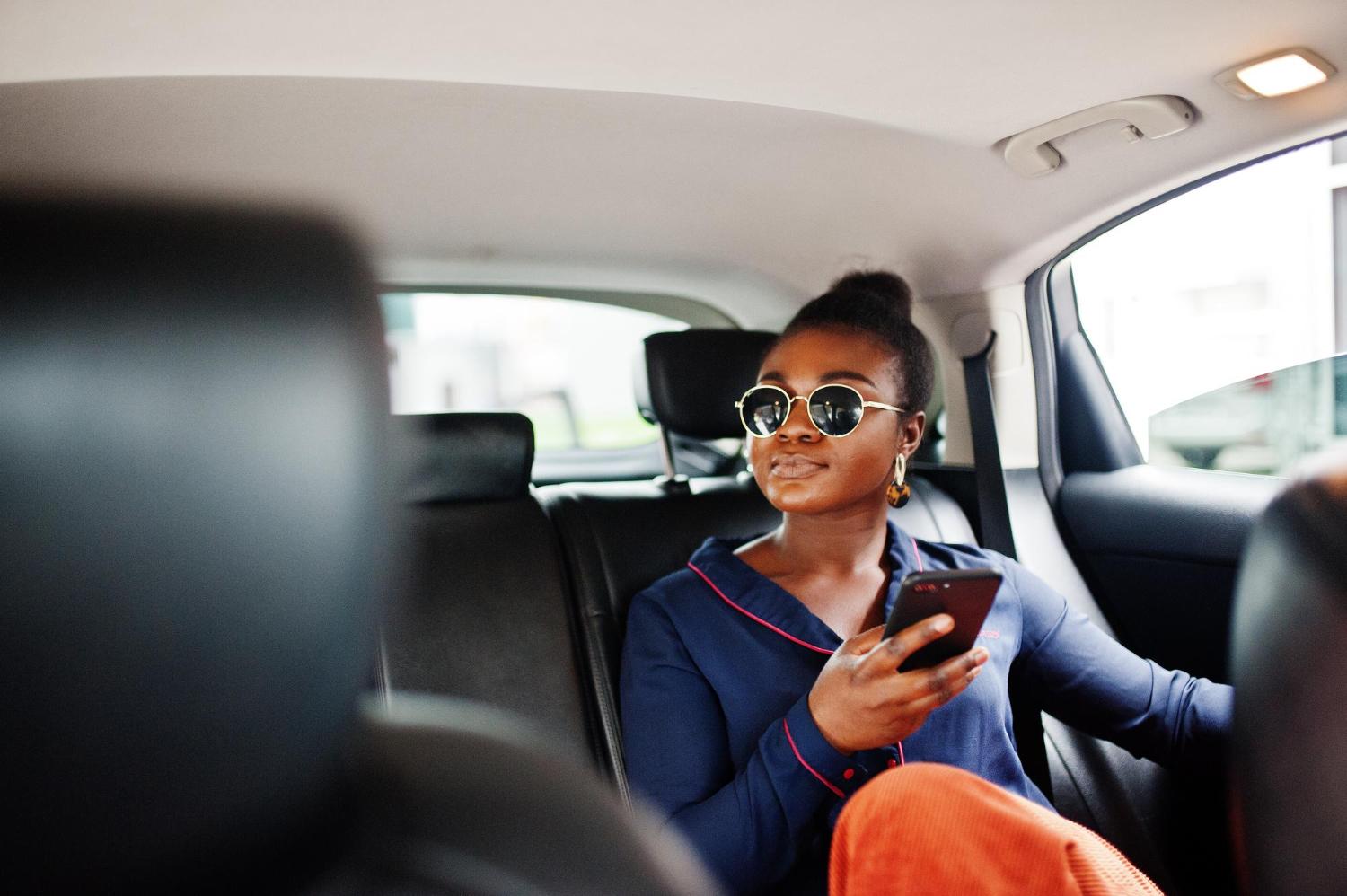
In today's fast-paced world, rideshare services like Uber and Lyft along with food delivery apps such as DoorDash, GrubHub, and Instacart have become essential parts of daily life for many North Carolinians. While these services offer tremendous convenience, they've also created a new category of traffic accidents with unique legal complications.
Whether you've been injured as a passenger in an Uber, hit by a delivery driver rushing to complete an order, or are a driver yourself who's been involved in an accident while on the job, understanding your rights and options is critical to protecting yourself physically and financially.
The Growing Problem of Rideshare Accidents
Rideshare services have transformed transportation across North Carolina, from Winston-Salem to Wilkesboro and beyond. However, this convenience comes with increased risks on our roads.
Common Causes of Uber and Lyft Accidents
Rideshare accidents frequently occur due to several factors unique to this type of transportation:
- Driver Distraction: Rideshare drivers must constantly monitor their apps for new ride requests, navigation instructions, and passenger communications. This divided attention significantly increases accident risk.
- Fatigue: Many rideshare drivers work long hours or drive after completing shifts at other jobs, leading to drowsy driving.
- Unfamiliar Routes: Drivers often navigate unfamiliar neighborhoods, potentially leading to sudden stops, incorrect turns, or hesitation in traffic.
- Passenger Pickup/Dropoff Hazards: Stopping in unsafe locations to collect or drop off passengers creates dangerous road conditions.
Research suggests that rideshare services may be contributing to increased traffic congestion and accident rates in metropolitan areas. A University of Chicago study found that the introduction of rideshare services in a city was associated with "an increase of approximately 3% in the number of motor vehicle fatalities and fatal accidents" (Journal of Transportation Research, 2023).
Food Delivery Service Accidents: A Growing Concern
The explosion of food and grocery delivery services has added another layer of risk to our roadways. Delivery drivers for DoorDash, GrubHub, Instacart, and others face unique pressures that can lead to accidents.
Why Food Delivery Accidents Happen
- Time Pressure: Delivery drivers often rush to complete as many deliveries as possible, especially those working on a tip-based income model.
- Multi-App Usage: Many drivers work for multiple delivery platforms simultaneously, increasing distraction and pressure.
- Vehicle Maintenance Issues: Delivery work puts significant wear and tear on vehicles, which may not receive proper maintenance.
- Inexperienced Drivers: The low barrier to entry means many inexperienced drivers join delivery platforms.
The COVID-19 pandemic accelerated the growth of delivery services, with food delivery sales increasing by over 135% during peak periods (National Restaurant Association, 2023). This rapid expansion has brought more delivery drivers onto the roads, many without proper commercial driving experience or insurance coverage.
Insurance Coverage Complications
One of the most complex aspects of rideshare and delivery accidents is determining which insurance policy applies. This confusion can delay compensation and proper medical care for injured parties.
Rideshare Insurance Coverage Periods
Both Uber and Lyft operate with a three-phase insurance structure:
- App Off: When the driver is not logged into the app, only their personal auto insurance applies.
- Waiting for a Request: When logged in but not yet matched with a rider, limited liability coverage applies (typically $50,000 per person/$100,000 per accident for bodily injury).
- During a Trip: Once a rider is matched or in the vehicle, up to $1 million in liability coverage may apply.
Food Delivery Service Insurance Gaps
Food delivery services have even more varied coverage:
- DoorDash: Provides supplemental coverage only after the driver's personal insurance is exhausted, and only when the driver is actively delivering (has food in the vehicle).
- GrubHub: Offers no supplemental insurance coverage for drivers.
- Instacart: Provides no additional coverage; drivers must rely entirely on personal policies.
- Uber Eats: Uses a similar three-stage system to Uber's rideshare service.
A critical issue many drivers don't realize is that standard personal auto insurance policies typically exclude coverage for commercial activities like food delivery or rideshare driving. This creates a dangerous coverage gap that leaves drivers, passengers, and other motorists at risk following an accident.
Determining Liability After a Rideshare or Delivery Accident
Establishing liability in these accidents can be complex due to multiple potentially responsible parties:
- The Driver: May be personally liable, especially if they were negligent or violated traffic laws.
- The Rideshare/Delivery Company: Despite classifying drivers as independent contractors, companies may share liability under certain circumstances.
- Third-Party Drivers: Other motorists may be partially or fully responsible for causing the accident.
- Restaurants or Retailers: In rare cases, businesses that pressure drivers to make rapid deliveries may share some liability.
In North Carolina, our contributory negligence laws add another layer of complexity. Under this system, if you're found even partially at fault for your accident, you may be barred from recovering compensation. This makes proper evidence gathering and legal representation crucial.
Steps to Take After a Rideshare or Food Delivery Accident
If you're involved in an accident with a rideshare or food delivery driver, taking these steps can protect your health and legal rights:
- Ensure Safety and Call 911: Your health is the priority. Call for emergency assistance immediately if anyone is injured.
- Document Everything: Take photos of all vehicles involved, the accident scene, and any visible injuries. If possible, get screenshots of the rideshare or delivery app showing the active trip.
- Gather Information: Collect contact and insurance information from all drivers involved. Note if the driver has rideshare or delivery company signage or was carrying food/grocery items.
- Identify Witnesses: Get contact information from any witnesses, including other passengers.
- Report the Accident: Notify the rideshare or delivery company through their app or website. Most have a specific process for reporting accidents.
- Seek Medical Attention: Even if you feel fine, get evaluated by a healthcare provider. Some injuries may not be immediately apparent.
- Contact an Experienced Attorney: Before speaking with any insurance companies, consult with a personal injury attorney who understands the complexities of rideshare and delivery service accidents.
How The Law Offices of Timothy D. Welborn Can Help
At The Law Offices of Timothy D. Welborn, we have extensive experience handling the unique challenges of rideshare and food delivery accident cases. Our team understands the complex insurance issues and liability questions these accidents present.
We provide comprehensive representation to accident victims, including:
- Thorough investigation of your accident
- Identification of all potentially liable parties
- Coordination with medical providers to document injuries
- Skilled negotiation with multiple insurance companies
- Litigation when necessary to secure fair compensation
Since opening our first office in 1994, we have built a reputation as genuine advocates for our clients in Personal Injury cases. With offices in Wilkesboro and Winston-Salem, we're positioned to help accident victims throughout North Carolina navigate these complex cases.
Frequently Asked Questions About Rideshare and Food Delivery Accidents
What if my Uber or Lyft driver caused an accident while I was a passenger?
If you were injured as a passenger in an Uber or Lyft vehicle, you're generally covered under the company's $1 million liability policy regardless of who was at fault. You may be entitled to compensation for medical expenses, lost wages, pain and suffering, and other damages. As a passenger, you generally won't be found at fault, which simplifies your claim compared to other accident scenarios.
Can I sue the food delivery company if their driver hit me?
While you can pursue a claim against a food delivery company, these companies typically classify drivers as independent contractors rather than employees. This classification is designed to limit the company's liability. However, depending on the circumstances, you may be able to make a successful claim against the company's insurance policy, especially if the driver was actively delivering an order at the time of the accident.
What if my personal auto insurance denies my claim because I was delivering food when the accident happened?
This is a common problem for delivery drivers. Standard personal auto policies typically exclude coverage for commercial activities like food delivery. If you're a delivery driver, you should consider purchasing a commercial policy or a personal policy with a rideshare/delivery endorsement. If your claim has been denied, an attorney can help you explore other possible sources of coverage.
How long do I have to file a claim after a rideshare or delivery accident in North Carolina?
In North Carolina, the statute of limitations for personal injury claims is generally three years from the date of the accident. However, there may be shorter notification periods required by the rideshare or delivery companies' policies. It's best to consult with an attorney as soon as possible after your accident to ensure you don't miss any critical deadlines.
What compensation might I be entitled to after a rideshare or delivery accident?
Depending on the circumstances of your accident and the severity of your injuries, you may be entitled to compensation for:
- Medical expenses (both current and future)
- Lost wages and diminished earning capacity
- Property damage
- Pain and suffering
- Emotional distress
- Loss of enjoyment of life
Protecting Your Rights After a Rideshare or Food Delivery Accident
The growth of rideshare and food delivery services has created new convenience in our lives but also new complexities when accidents occur. Understanding the unique insurance issues and liability questions these accidents present is essential to protecting your rights and securing fair compensation.
If you or a loved one has been injured in an accident involving an Uber, Lyft, DoorDash, GrubHub, or other rideshare or delivery service, the experienced personal injury attorneys at The Law Offices of Timothy D. Welborn are here to help. We have the knowledge, resources, and dedication to guide you through this complex process and fight for the compensation you deserve.
Contact us today for a free initial consultation to discuss your case and learn how we can help you move forward after a rideshare or delivery accident.
