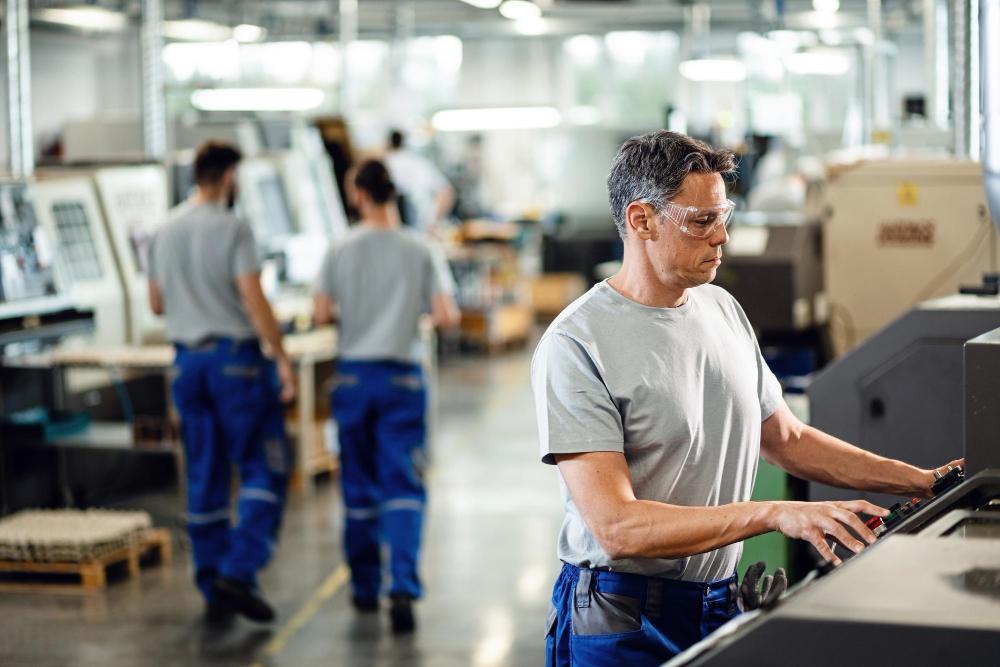
Manufacturing remains one of North Carolina's vital industries, employing thousands of workers across the state. From furniture production in High Point to textile manufacturing in Greensboro and advanced manufacturing in the Research Triangle, these facilities are essential to our state's economy. However, they also present unique workplace hazards that can lead to serious injuries and complex workers' compensation claims.
At the Law Offices of Timothy D. Welborn, we've spent decades representing manufacturing workers throughout North Carolina. This comprehensive guide addresses the specific challenges facing factory workers and provides industry-specific guidance for navigating the workers' compensation system successfully.
1. The Manufacturing Landscape in North Carolina
North Carolina has a rich manufacturing history that continues to evolve. According to the North Carolina Department of Commerce, manufacturing accounts for approximately 16.8% of the state's gross domestic product and employs over 460,000 workers (North Carolina Department of Commerce, 2025). Leading sectors include:
- Food processing
- Furniture production
- Textiles and apparel
- Aerospace and automotive parts
- Pharmaceuticals and medical devices
- Electronics and computer components
This diversity of manufacturing environments creates varying workplace hazards, from heavy machinery operation to repetitive motion tasks, chemical exposure, and more.
2. Common Manufacturing Workplace Injuries in North Carolina
Manufacturing environments present numerous hazards that can lead to specific types of injuries. Understanding these risks is the first step toward prevention and proper compensation when accidents occur.
Machinery-Related Injuries
Manufacturing facilities typically contain various types of machinery that, while essential for production, can cause severe injuries when proper safety protocols aren't followed or equipment malfunctions. These injuries often include:
- Crushed fingers or limbs
- Amputations
- Lacerations and puncture wounds
- Fractures from impact with moving parts
According to the Bureau of Labor Statistics, machinery-related accidents account for approximately 24% of all manufacturing injuries resulting in lost workdays (Bureau of Labor Statistics, 2025).
Repetitive Motion Injuries
Many manufacturing positions require workers to perform the same movements repeatedly throughout their shift. Over time, this repetitive motion can lead to:
- Carpal tunnel syndrome
- Tendonitis
- Epicondylitis (tennis elbow)
- Rotator cuff injuries
- Bursitis
These injuries, classified as musculoskeletal disorders (MSDs), account for nearly 30% of all workplace injuries in manufacturing settings (National Institute for Occupational Safety and Health, 2024).
Slip and Fall Accidents
Manufacturing floors can become hazardous due to:
- Spilled liquids or chemicals
- Production debris
- Extension cords
- Uneven flooring
- Poor lighting
These conditions contribute to slip and fall accidents, which can result in fractures, head injuries, back injuries, and sprains or strains.
Exposure to Harmful Substances
Depending on the manufacturing sector, workers may be exposed to:
- Chemical fumes or splashes
- Toxic dust (including silica, wood, or metal dust)
- Biological agents
- Extreme temperatures
These exposures can lead to both acute injuries (chemical burns, respiratory distress) and long-term occupational diseases (cancer, lung disease, neurological disorders).
Back and Spine Injuries
Manufacturing often requires heavy lifting, awkward postures, and prolonged standing. These physical demands commonly result in:
- Herniated discs
- Sprains and strains
- Sciatica
- Chronic back pain
Studies show that back injuries account for approximately 25% of all manufacturing worker compensation claims in North Carolina (North Carolina Industrial Commission, 2025).
3. North Carolina Workers' Compensation Coverage for Manufacturing Workers
Overview of NC Workers' Compensation Act
North Carolina's Workers' Compensation Act provides a system of benefits for employees who suffer work-related injuries or occupational diseases. The program is designed to:
- Cover medical expenses related to the injury
- Replace a portion of lost wages
- Provide compensation for permanent impairment
- Offer vocational rehabilitation when needed
For manufacturing workers, understanding these benefits is crucial to ensuring proper care and compensation after a workplace injury.
Who Is Covered in Manufacturing Settings
With few exceptions, all North Carolina employers with three or more employees must provide workers' compensation insurance. This requirement covers virtually all manufacturing facilities in the state, regardless of size.
Coverage extends to:
- Full-time employees
- Part-time employees
- Seasonal workers
- Temporary workers (in most circumstances)
- Undocumented workers
- Minors
Independent contractors are generally not covered, though this classification is often misapplied. If you've been told you're an independent contractor but work regular hours, use company equipment, and follow company procedures, you may actually qualify as an employee eligible for benefits.
Benefits Available for Injured Manufacturing Workers
When a manufacturing worker sustains a compensable injury, they may be entitled to several types of benefits:
Medical Benefits
Workers' compensation covers all reasonable and necessary medical treatment related to your work injury, including:
- Emergency care
- Doctor visits
- Hospital stays
- Surgeries
- Prescription medications
- Physical therapy
- Medical equipment
- Travel expenses to medical appointments (when exceeding 20 miles round trip)
Unlike personal health insurance, there are no copays or deductibles for authorized medical treatment under workers' compensation.
Wage Replacement Benefits
If your manufacturing injury causes you to miss work, you may qualify for temporary total disability (TTD) benefits after a 7-day waiting period. These benefits equal 66 2/3% of your average weekly wage, up to the statutory maximum ($1,214 per week for 2025).
For manufacturing workers with varying hours or production-based incentive pay, calculating the average weekly wage can be complex and often requires legal assistance to ensure accuracy.
Permanent Partial Disability
Many manufacturing injuries result in permanent impairment. Once you've reached maximum medical improvement (MMI), your doctor will assign an impairment rating to the affected body part. This rating determines the compensation you're entitled to receive for the permanent effects of your injury.
For example, a machine operator who loses partial function of their dominant hand might receive a 30% permanent partial disability rating for that hand, entitling them to 60 weeks of compensation (based on North Carolina's schedule of injuries).
Vocational Rehabilitation
If your manufacturing injury prevents you from returning to your previous position, you may qualify for vocational rehabilitation services, including:
- Job placement assistance
- Training for new skills
- Education for alternative employment
- Resume and interview preparation
These services are especially important for manufacturing workers with specialized skills that may not transfer to other industries.
Special Considerations for Manufacturing Employees
Manufacturing workers face unique challenges in the workers' compensation system:
- Exposure claims: Proving causation for conditions resulting from chemical or toxic exposure can be difficult, often requiring expert testimony.
- Pre-existing conditions: Many manufacturers attempt to deny claims by attributing injuries to pre-existing conditions rather than workplace activities.
- Production pressures: Some employers pressure injured workers to return before they're medically ready to maintain production quotas.
- Language barriers: North Carolina's diverse manufacturing workforce includes many non-native English speakers who may struggle to navigate the complex workers' compensation system.
- Specialized equipment: Injuries involving specialized manufacturing equipment may require expert analysis to establish causation and liability.
4. Reporting a Manufacturing Workplace Injury
Timeline Requirements
North Carolina law requires injured workers to:
- Report the injury to their employer (typically a supervisor) within 30 days
- File a Form 18 (Notice of Accident to Employer and Claim of Employee) with the North Carolina Industrial Commission within 2 years
For occupational diseases that develop gradually (like many repetitive motion disorders common in manufacturing), the timeline begins when:
- You are first diagnosed with the condition, AND
- You are informed by a medical professional that the condition is work-related
Despite these deadlines, manufacturing workers should report injuries immediately. Delays can complicate claims and give employers grounds to question whether the injury actually occurred at work.
Proper Reporting Procedures
When injured in a manufacturing setting, follow these steps:
- Seek immediate medical attention for serious injuries
- Report the incident to your supervisor in writing if possible
- Document everything, including:
- Time and date of injury
- Location within the facility
- Equipment or materials involved
- Names of witnesses
- Exact nature of what you were doing when injured
- Request a copy of the employer's injury report
- Follow through on all medical appointments
- Keep detailed records of all medical visits, treatments, and how the injury affects your daily activities
Common Reporting Mistakes in Manufacturing Settings
Manufacturing workers often make these critical errors when reporting injuries:
- Delaying reporting to avoid missing production quotas or incentive pay
- Downplaying the severity of injuries to avoid "making trouble"
- Failing to connect gradual-onset conditions (like carpal tunnel syndrome) to workplace activities
- Not reporting because "everyone gets hurt" in manufacturing environments
- Accepting inadequate first aid instead of proper medical treatment
- Not documenting specific machinery or conditions that contributed to the injury
Avoiding these mistakes can significantly improve your chances of receiving proper benefits.
5. Special Considerations for Manufacturing Injury Claims
Machine Safety Regulations
Manufacturing equipment is subject to strict safety regulations from organizations including:
- Occupational Safety and Health Administration (OSHA)
- American National Standards Institute (ANSI)
- National Fire Protection Association (NFPA)
When machinery lacks proper guarding, emergency stops, lockout/tagout capabilities, or other required safety features, this may strengthen your claim and potentially open avenues for additional compensation beyond workers' compensation.
OSHA Standards Relevant to Claims
OSHA has established numerous standards specifically for manufacturing environments. Violations of these standards can support your workers' compensation claim:
- Machine guarding requirements (29 CFR 1910.212)
- Lockout/tagout procedures (29 CFR 1910.147)
- Respiratory protection (29 CFR 1910.134)
- Personal protective equipment (29 CFR 1910.132)
- Ergonomics guidelines
If your employer receives OSHA citations related to your injury, this documentation can be valuable evidence in your claim.
Industry-Specific Hazards Documentation
Different manufacturing sectors have unique hazards that should be documented in your claim:
- Textile manufacturing: Cotton dust exposure, noise levels, machine entanglement
- Furniture production: Wood dust, chemical exposure from finishes, cutting hazards
- Food processing: Slippery floors, refrigeration hazards, cutting equipment
- Electronics manufacturing: Chemical exposure, repetitive motion, eye strain
Identifying industry-specific hazards helps establish the connection between workplace conditions and your injury.
Third-Party Liability in Manufacturing
While workers' compensation is typically your exclusive remedy against your employer, manufacturing settings often involve third parties who may be liable for your injuries, including:
- Equipment manufacturers if machinery was defectively designed
- Maintenance contractors who improperly serviced equipment
- Suppliers who provided inadequate warnings or instructions
- Subcontractors working in the same facility
These third-party claims can provide additional compensation beyond workers' compensation benefits, potentially including payment for pain and suffering not covered by workers' comp.
6. Temporary and Permanent Disability in Manufacturing
Understanding Disability Ratings
Once you've reached maximum medical improvement (MMI), your doctor will evaluate whether you have any permanent impairment. For manufacturing workers, these ratings often involve:
- Upper extremities (hands, arms, shoulders)
- Back and spine
- Lower extremities (legs, feet)
- Hearing loss
- Respiratory function
North Carolina uses a schedule of injuries that assigns a specific number of weeks of compensation based on the body part affected and the percentage of impairment.
Return-to-Work Considerations in Factory Settings
Manufacturing environments present unique challenges for injured workers returning to duty:
- Physical demands that may exceed medical restrictions
- Limited availability of light-duty positions
- Production quotas that don't accommodate limitations
- Shift work that may conflict with medical treatments
Your employer is required to honor medical restrictions, but many manufacturing facilities struggle to accommodate these limitations while maintaining production goals.
Light Duty Accommodations
When manufacturing workers are cleared for light duty, employers should provide accommodations such as:
- Reduced lifting requirements
- Seated work stations
- Modified tools or equipment
- Flexible breaks for physical therapy exercises
- Alternative tasks that don't aggravate the injury
These accommodations must be genuine and respect your medical restrictions. Some manufacturers offer "light duty" that still requires activities beyond your restrictions—this should be documented and reported to your physician and attorney.
Vocational Rehabilitation for Manufacturing Workers
If you cannot return to your previous manufacturing position, vocational rehabilitation may help you transition to suitable employment. This process considers:
- Your transferable skills from manufacturing
- Physical limitations from your injury
- Educational background
- Available opportunities in your geographic area
For many career manufacturing workers, this transition can be challenging, particularly for those with limited education or who have specialized in a single manufacturing process.
7. Common Challenges in Manufacturing Workers' Compensation Claims
Employer Disputes About Injury Causes
Manufacturers often contest claims by arguing:
- The injury occurred outside of work
- The condition is age-related rather than work-related
- The injury resulted from a pre-existing condition
- The employee violated safety protocols
- The reported mechanism of injury couldn't cause the diagnosed condition
Overcoming these disputes typically requires thorough medical documentation and sometimes expert testimony establishing the connection between work activities and your condition.
Pre-existing Condition Complications
Many manufacturing workers have spent decades in physically demanding jobs, potentially leading to pre-existing wear and tear. However, North Carolina law recognizes that workplace activities can aggravate or accelerate pre-existing conditions, making them compensable.
Successfully navigating these claims requires:
- Detailed medical history establishing the condition before and after work activities
- Expert medical opinions on causation
- Documentation of specific job duties that contributed to the condition
Independent Medical Examinations
Your employer's insurance company may require you to attend an Independent Medical Examination (IME) with their chosen doctor. These examinations rarely favor the injured worker and often result in:
- Lower impairment ratings
- Disputes about necessary treatment
- Assertions that you can return to work earlier than your treating physician recommends
- Claims that your condition is not work-related
Having experienced legal representation before attending an IME can help protect your rights and ensure proper preparation.
Return-to-Work Pressure
Manufacturing employers often pressure injured workers to return before they're medically ready due to:
- Production deadlines
- Staffing shortages
- Desire to minimize workers' compensation costs
- Impact on safety records and insurance rates
This pressure can jeopardize your recovery and long-term health. Your attorney can help shield you from inappropriate return-to-work pressure while ensuring your benefits continue.
8. Maximizing Your Manufacturing Workers' Compensation Claim
Documentation Strategies
Thorough documentation is crucial for manufacturing injury claims:
- Keep a daily journal of symptoms and limitations
- Photograph visible injuries at regular intervals
- Save all medical records, prescriptions, and instructions
- Record names and contact information for witnesses
- Document any safety issues or OSHA violations
- Keep copies of all correspondence with your employer
- Track all expenses related to your injury
This documentation creates a comprehensive record that strengthens your claim and helps counter disputes.
Working with Healthcare Providers
Your treating physicians play a crucial role in your claim. To maximize their support:
- Be completely honest about your symptoms and limitations
- Clearly explain your job duties so they understand the physical requirements
- Follow all treatment recommendations consistently
- Request detailed notes in your medical records about work-related causation
- Ask for clear, specific work restrictions that address your manufacturing duties
- Maintain regular appointments even if improvement plateaus
Healthcare providers who understand manufacturing environments can provide more effective testimony about your ability to perform specific job functions.
Evidence Collection in Factory Settings
Physical evidence from the manufacturing environment can substantiate your claim:
- Photographs or video of the accident scene
- Samples of materials involved (with employer permission)
- Equipment specifications and maintenance records
- Production logs showing quotas or line speeds
- Safety training materials and documentation
- Prior incident reports involving similar equipment or conditions
Your attorney can help obtain this evidence through proper legal channels if your employer is uncooperative.
Expert Testimony Benefits
Complex manufacturing injury claims often benefit from expert testimony from:
- Industrial engineers who can analyze workstation ergonomics
- Safety specialists familiar with machinery regulations
- Medical specialists who understand occupational diseases
- Vocational experts who can assess employment prospects
These experts can establish causation, demonstrate the impact of your injury, and counter arguments from the insurance company's experts.
9. Frequently Asked Questions About Manufacturing Workers' Compensation
Can I Choose My Own Doctor for a Manufacturing Injury?
In North Carolina, your employer generally has the right to select your initial treating physician. However, you can:
- Request a change of physician if treatment is inadequate
- Seek a second opinion in some circumstances
- See your own doctor for evaluation (though you may need to pay for this)
Working with an experienced attorney increases your chances of getting approval to see your preferred physicians.
What If My Injury Was Partly My Fault?
North Carolina workers' compensation is a no-fault system, meaning you're generally entitled to benefits even if you made a mistake that contributed to your injury. Exceptions include:
- Injuries sustained while intoxicated
- Self-inflicted injuries
- Injuries resulting from attempting to injure someone else
- Injuries from willful violation of clearly communicated safety rules
Even if you believe you may have contributed to your injury, consult with an attorney before making any statements accepting blame.
Can I Be Fired for Filing a Workers' Compensation Claim?
North Carolina law prohibits employers from terminating employees in retaliation for filing workers' compensation claims. However, employers may still terminate injured workers for other reasons, including:
- Business necessity
- Performance issues unrelated to the injury
- Inability to perform essential job functions with reasonable accommodations
If you believe your termination was retaliatory, consult with an attorney immediately, as this may constitute a separate legal claim. Read our article, Can I Be Fired for Filing a Workers’ Comp Claim, for more information.
How Long Will My Manufacturing Injury Claim Take?
The timeline varies significantly based on:
- Severity of your injury
- Clarity of work-relatedness
- Employer/insurer cooperation
- Need for specialized treatment
- Whether the claim is contested
Simple claims with minor injuries might resolve in a few months, while complex cases involving permanent disability can take 1-2 years or longer.
Should I Accept a Settlement Offer?
Many manufacturing workers' compensation cases eventually result in settlement offers. Before accepting any offer, consider:
- Whether it covers future medical expenses
- If it fairly compensates permanent impairment
- How it compares to the full value of ongoing benefits
- Whether you've reached maximum medical improvement
- Tax implications and impact on other benefits
Never accept a settlement without consulting an attorney who can evaluate whether the offer adequately compensates you for your injury.
Getting the Help You Need
Manufacturing workplace injuries present unique challenges that require specialized knowledge of both the industry and North Carolina's workers' compensation system. At the Law Offices of Timothy D. Welborn, we've helped countless manufacturing workers secure the benefits they deserve after workplace injuries.
Our experienced team understands the physical demands of manufacturing work, the industry-specific hazards you face, and the tactics insurance companies use to minimize manufacturing claims. We're committed to ensuring you receive proper medical treatment and fair compensation for your injury.
Don't navigate this complex process alone. Contact our office today for a free, no-obligation consultation about your manufacturing workplace injury. Let our experience work for you.
Want to read more? Check out our article on what to look for in a workers’ compensation attorney.
